

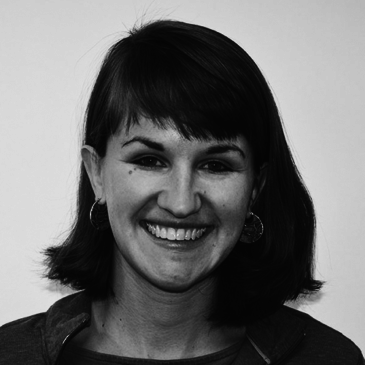
I am interested in the spatial ecology of beneficial insects in agricultural landscapes. For my undergraduate and M.Sc. research at Yale University, I focused on the interaction networks of wild bee communities in old-field meadows across human impact gradients. For my Ph.D., I would like to continue studying landscape scale beneficial insect dynamics and theory-driven conservation with Prof. Bryan Danforth. I am particularly interested in understanding early season forage provisioning and factors affecting nest site availability for wild bee pollinators in apple orchards.
Overview
How It Works
Format
Blend of online and in-person options
Cost
$0
Faculty Authors
Katherine Urban-Mead
Extension Outreach Assistant
Cornell Dyce Lab for Honey Bee Studies
PhD Student & Honey Bee Extension Outreach Assistant, Dyce Lab of Honey Bee Studies, Cornell University
Kimberly Carpenter
Secretary
Ontario Finger Lakes Beekeepers Association
Secretary, Ontario Finger Lakes Beekeepers Association
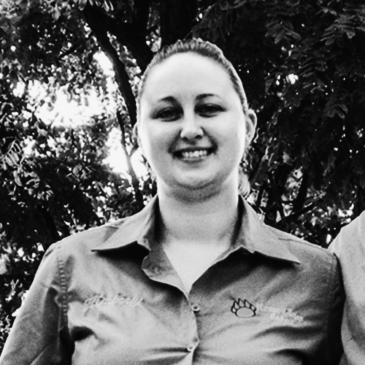
Kimberly is a second generation beekeeper who is following in the footsteps of her grandmother in her love for beekeeping and the natural world. With her husband Ben, she is the current owner of their two companies; Hungry Bear Farms & Ross Rounds. With a focus on education, Kimberly has traveled and participated in numerous training workshops from Queen Rearing at Penn State University to pests & diseases workshops and has helped bring beekeeping education back to her local club in New York. She aides in running and operating their businesses but her primary function is head of the beekeeping division of Hungry Bear Farms. She focuses on managing their honey bee colonies for queen rearing & nuc production and sales, honey production and crop pollination, as well as managing their new migratory operation in Florida. Kimberly holds many beekeeping classes in and out of the apiary every year to help educate beekeepers on many topics including colony health, sustainable beekeeping practices, the importance of genetics for improving stock, and diagnosing & managing pests and diseases. She teaches several full day beginner beekeeping classes for their farm as well as helps teach at her local clubs class. She is also a co-coordinator for the Geneva Bee Conference which brings education and well known speakers in the beekeeping industry to NY each March. Lastly, she helps with various schools and Board of Cooperative Educational Service programs in New York state to help with beekeeping education in the school system and the importance of our impact on the environment.
Ontario Finger Lakes Beekeepers Association
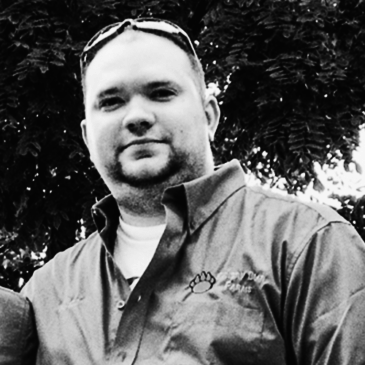
Ben is a third generation beekeeper and currently owns two beekeeping supply companies with his wife Kimberly; their farm business Hungry Bear Farms and their manufacturing business Ross Rounds. Ben’s primary function is managing their businesses, coordinating logistics and heading up the commercial sales division of Hungry Bear Farms. He is the current Director at Large for New York State’s beekeeping association and helps with marketing and technical resources. He is the current president of his local beekeeping association in Canandaigua New York and the Ontario Finger Lakes Beekeepers Association, where he coordinates their meetings & brings in speakers from all over the country. He also teaches beginner beekeeping classes for their farm with Kimberly, as well as at their local club. Ben also helps Kimberly with their migratory beekeeping operation in Florida with managing trucking and logistics. Ben is a co-coordinator for the Geneva Bee Conference, helping bring beekeeping education and speakers to a wider audience in NY State. He enjoys escaping into the beeyard when he gets a free moment.
Eleanor Andrews
Extension Assistant
Cornell Dyce Lab for Honey Bee Studies
PhD Candidate & Honey Bee Extension Assistant, Dyce Lab of Honey Bee Studies, Cornell University
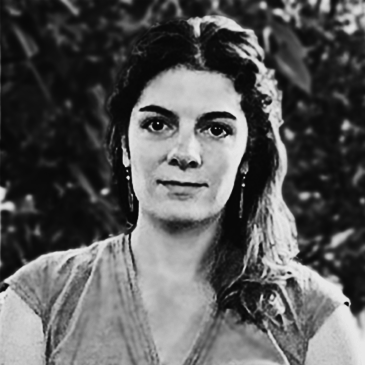
Ellie received a master’s degree in Geography (Penn State University, 2012) and a bachelor’s degree is in Political Science and French (Amherst College, 2006). In 2017-18, she taught in the Environmental Studies department at Hobart and William Smith Colleges.
She is interested in the human relationship to the environment: dueling visions of sustainability, the social causes and consequences of climate change, the implications of the Anthropocene for conservation, and more. Political economy and political ecology underpin her research, with forays into environmental history, science and technology studies, and nature-society geography.
Her current research examines how beekeeping is changing in response to ongoing honey bee health challenges, as it becomes ever more difficult to keep bees healthy and productive. Through participatory observation and interviews, her work shows how competing visions of “sustainable beekeeping” are being re-shaped by novel ecologies, challenges to conventional authority and expertise, and the hybridity of honey bees as part-wild, part-domesticated creatures.
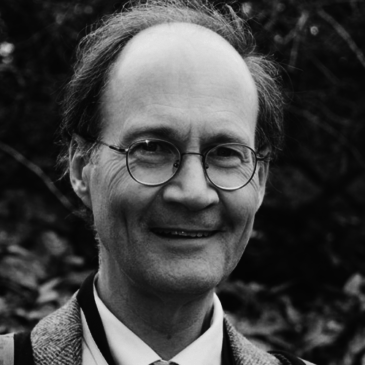
Horace White Professor in Biology, Department of Neurobiology and Behavior, Cornell University
Thomas D. Seeley, biologist and writer, is a professor in the Department of Neurobiology and Behavior at Cornell University. He teaches courses on animal behavior and does research on the behavior, social life, and ecology of honey bees. Tom is an avid beekeeper and began keeping bees while a high school student, when he shook a swarm into a box and brought it home. His scientific work is summarized in four books: Honeybee Ecology (1985), The Wisdom of the Hive (1995), Honeybee Democracy(2010), and Following the Wild Bees (2016). In recognition of his scientific contributions, he has been honored by an Alexander von Humboldt Distinguished U.S. Scientist Award, awarded a Guggenheim Fellowship, and elected a Fellow of the American Academy of Arts and Sciences. He writes:”These awards are gratifying, but for me the most important prizes by far are the discoveries that I have made about the inner workings of honey bee colonies.”

Emma Walters
Senior Extension Associate
Cornell Dyce Lab for Honey Bee Studies
Senior Honey Bee Extension Associate @ Cornell Dyce Lab for Honey Bee Studies
Emma Walters works with beekeepers to understand factors affecting honey bee health, with a focus on parasites, diseases, pesticides, and management practices. Emma is particularly interested in training beekeepers in methods that improve their colonies’ health. During her time at Cornell University, she led the NYS Beekeeper Tech Team and the Cornell University Master Beekeeping Program. Emma started beekeeping in 2011 in Ontario, Canada, and completed her Master’s degree investigating honey bee behavioral genetics at Western University in Canada.
Katherine Urban-Mead
Extension Outreach Assistant
Cornell Dyce Lab for Honey Bee Studies
PhD Student & Honey Bee Extension Outreach Assistant, Dyce Lab of Honey Bee Studies, Cornell University
I am interested in the spatial ecology of beneficial insects in agricultural landscapes. For my undergraduate and M.Sc. research at Yale University, I focused on the interaction networks of wild bee communities in old-field meadows across human impact gradients. For my Ph.D., I would like to continue studying landscape scale beneficial insect dynamics and theory-driven conservation with Prof. Bryan Danforth. I am particularly interested in understanding early season forage provisioning and factors affecting nest site availability for wild bee pollinators in apple orchards.
Kimberly Carpenter
Secretary
Ontario Finger Lakes Beekeepers Association
Secretary, Ontario Finger Lakes Beekeepers Association
Kimberly is a second generation beekeeper who is following in the footsteps of her grandmother in her love for beekeeping and the natural world. With her husband Ben, she is the current owner of their two companies; Hungry Bear Farms & Ross Rounds. With a focus on education, Kimberly has traveled and participated in numerous training workshops from Queen Rearing at Penn State University to pests & diseases workshops and has helped bring beekeeping education back to her local club in New York. She aides in running and operating their businesses but her primary function is head of the beekeeping division of Hungry Bear Farms. She focuses on managing their honey bee colonies for queen rearing & nuc production and sales, honey production and crop pollination, as well as managing their new migratory operation in Florida. Kimberly holds many beekeeping classes in and out of the apiary every year to help educate beekeepers on many topics including colony health, sustainable beekeeping practices, the importance of genetics for improving stock, and diagnosing & managing pests and diseases. She teaches several full day beginner beekeeping classes for their farm as well as helps teach at her local clubs class. She is also a co-coordinator for the Geneva Bee Conference which brings education and well known speakers in the beekeeping industry to NY each March. Lastly, she helps with various schools and Board of Cooperative Educational Service programs in New York state to help with beekeeping education in the school system and the importance of our impact on the environment.
Ontario Finger Lakes Beekeepers Association
Ben is a third generation beekeeper and currently owns two beekeeping supply companies with his wife Kimberly; their farm business Hungry Bear Farms and their manufacturing business Ross Rounds. Ben’s primary function is managing their businesses, coordinating logistics and heading up the commercial sales division of Hungry Bear Farms. He is the current Director at Large for New York State’s beekeeping association and helps with marketing and technical resources. He is the current president of his local beekeeping association in Canandaigua New York and the Ontario Finger Lakes Beekeepers Association, where he coordinates their meetings & brings in speakers from all over the country. He also teaches beginner beekeeping classes for their farm with Kimberly, as well as at their local club. Ben also helps Kimberly with their migratory beekeeping operation in Florida with managing trucking and logistics. Ben is a co-coordinator for the Geneva Bee Conference, helping bring beekeeping education and speakers to a wider audience in NY State. He enjoys escaping into the beeyard when he gets a free moment.
Eleanor Andrews
Extension Assistant
Cornell Dyce Lab for Honey Bee Studies
PhD Candidate & Honey Bee Extension Assistant, Dyce Lab of Honey Bee Studies, Cornell University
Ellie received a master’s degree in Geography (Penn State University, 2012) and a bachelor’s degree is in Political Science and French (Amherst College, 2006). In 2017-18, she taught in the Environmental Studies department at Hobart and William Smith Colleges.
She is interested in the human relationship to the environment: dueling visions of sustainability, the social causes and consequences of climate change, the implications of the Anthropocene for conservation, and more. Political economy and political ecology underpin her research, with forays into environmental history, science and technology studies, and nature-society geography.
Her current research examines how beekeeping is changing in response to ongoing honey bee health challenges, as it becomes ever more difficult to keep bees healthy and productive. Through participatory observation and interviews, her work shows how competing visions of “sustainable beekeeping” are being re-shaped by novel ecologies, challenges to conventional authority and expertise, and the hybridity of honey bees as part-wild, part-domesticated creatures.
Horace White Professor in Biology, Department of Neurobiology and Behavior, Cornell University
Thomas D. Seeley, biologist and writer, is a professor in the Department of Neurobiology and Behavior at Cornell University. He teaches courses on animal behavior and does research on the behavior, social life, and ecology of honey bees. Tom is an avid beekeeper and began keeping bees while a high school student, when he shook a swarm into a box and brought it home. His scientific work is summarized in four books: Honeybee Ecology (1985), The Wisdom of the Hive (1995), Honeybee Democracy(2010), and Following the Wild Bees (2016). In recognition of his scientific contributions, he has been honored by an Alexander von Humboldt Distinguished U.S. Scientist Award, awarded a Guggenheim Fellowship, and elected a Fellow of the American Academy of Arts and Sciences. He writes:”These awards are gratifying, but for me the most important prizes by far are the discoveries that I have made about the inner workings of honey bee colonies.”
Emma Walters
Senior Extension Associate
Cornell Dyce Lab for Honey Bee Studies
Senior Honey Bee Extension Associate @ Cornell Dyce Lab for Honey Bee Studies
Emma Walters works with beekeepers to understand factors affecting honey bee health, with a focus on parasites, diseases, pesticides, and management practices. Emma is particularly interested in training beekeepers in methods that improve their colonies’ health. During her time at Cornell University, she led the NYS Beekeeper Tech Team and the Cornell University Master Beekeeping Program. Emma started beekeeping in 2011 in Ontario, Canada, and completed her Master’s degree investigating honey bee behavioral genetics at Western University in Canada.
Key Course Takeaways
- Apply knowledge of honey bee evolution and behavior to better identify and respond to the needs of your honey bees
- Use systematic hands-on techniques to support your colonies’ ability to thrive, keeping your colonies healthy year after year and achieving your specific objectives
- Prevent and control pests and diseases that interfere with honey bee health and productivity
- Explore the possibilities and considerations of how you can both profit from and contribute to the success of these amazing pollinators

Download Brochure
Fill out the form below to download program information and connect
with us.
Download a Brochure
Not ready to enroll but want to learn more? Download the certificate brochure to review program details.Watch the Video
Learn from Cornell's top beekeeping experts.
Explore Related Programs

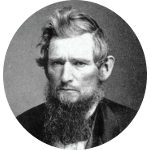
“I would found an institution where any person could find instruction in any study.”
{Anytime, anywhere.}
{Anytime, anywhere.}
Ezra Cornell
Founder of Cornell UniversityRequest Information Now by completing the form below.
Act today—courses are filling fast.
Purchase Options
0

$0
Master Beekeeping
| Select Payment Method | Cost |
|---|---|
| $0 |
Review Program Pricing and Details